


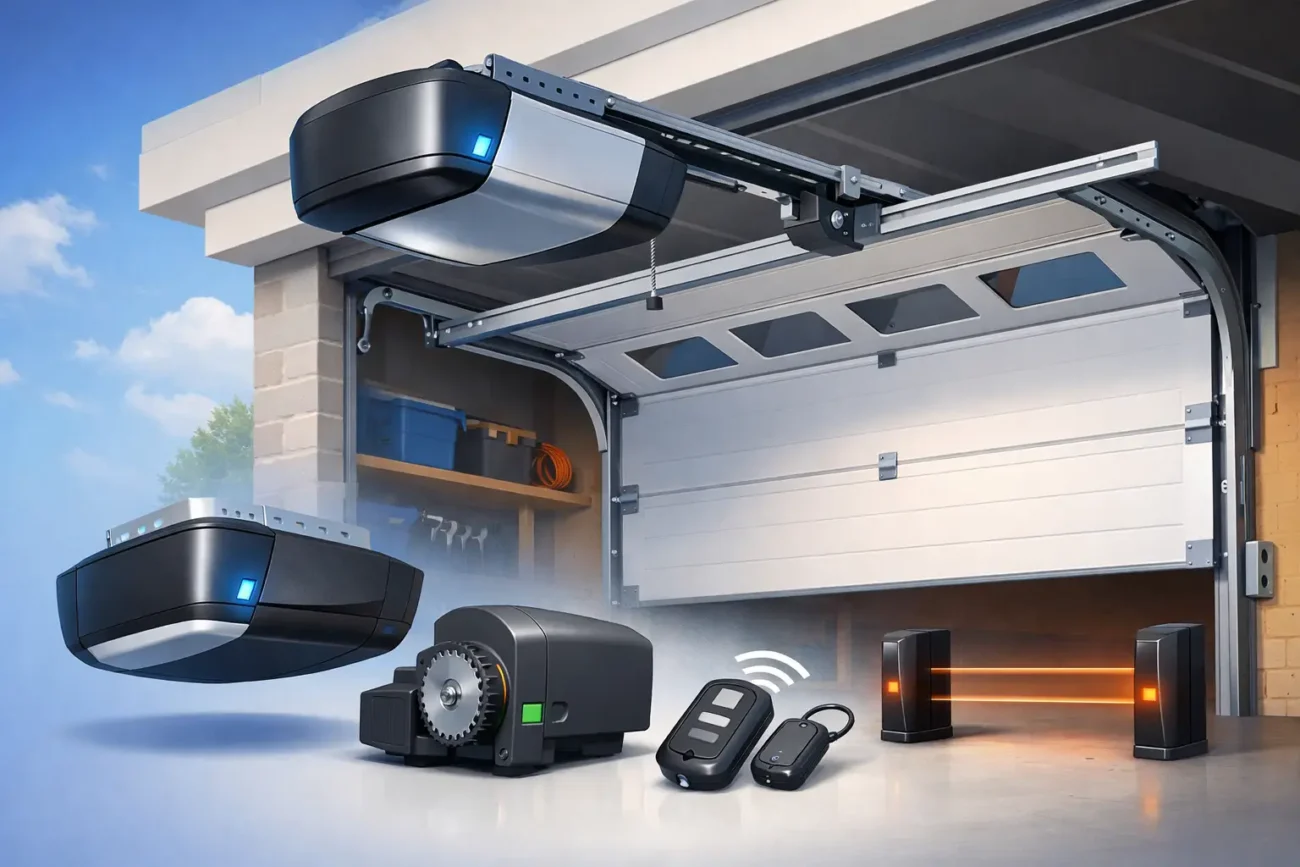
A garage door motor usually gets judged on the wrong thing first. People ask for the biggest unit, the quietest unit, or the cheapest unit, when the real question is whether the motor actually suits the door it has to move every day. That is what separates the best garage door motors from the ones that cause call-backs, nuisance faults, and early wear.
If you are replacing a failed operator or specifying a new one, the best choice depends on door type, door weight, usage levels, headroom, and how much control you want over safety and access. A motor that works well on a light domestic sectional door may be completely wrong for a heavy canopy door or a garage in frequent daily use. Getting that part right at the start saves time, money, and frustration later.
What makes the best garage door motors?
The best garage door motors are not simply the most powerful. A good motor is matched properly to the door, has dependable safety features, runs consistently in the conditions it is installed in, and can be maintained without a parts-hunt every time something wears out.
For most buyers, reliability is the starting point. You want a motor with a proven drive system, sensible control logic, and spare parts that are still obtainable. That matters just as much as quoted lifting force. A motor that has plenty of power on paper but poor availability of remotes, control boards, gears, or limit components can become an expensive nuisance.
Noise also matters, but it needs context. Belt drives are often quieter than chain drives, but a well-installed chain system can still perform perfectly well in a detached garage where sound is less of a concern. Likewise, a very quiet motor is not much use if it struggles with the door balance or lacks the cycle rating for regular use.
Start with the door, not the motor
This is where many buying mistakes happen. The motor should be chosen after the door has been identified properly.
A sectional garage door generally works well with most modern overhead operators, provided the door is balanced and the travel is set correctly. Up-and-over canopy and retractable doors can be different. Some need conversion arms, bow arms, or specific operator geometry to open cleanly. Roller garage doors often use a different style of tubular motor rather than a ceiling-mounted operator.
Door condition matters too. If the springs are tired, the tracks are misaligned, or the rollers are worn, even one of the best garage door motors will appear unreliable. In reality, the motor is compensating for a mechanical problem it was never meant to fix. A properly balanced door should move smoothly by hand with minimal effort. If it does not, sort that first.
Drive types and where they suit best
Chain drive motors
Chain drive motors are a solid choice where durability matters more than low noise. They are often favoured for heavier domestic garage doors and for users who want a straightforward, dependable setup. In a detached garage or workshop, the extra sound is usually a minor issue.
The trade-off is that chain systems can be noisier in operation and may need occasional adjustment. That does not make them outdated. In many settings, they remain one of the most practical options.
Belt drive motors
Belt drive motors are often chosen for garages attached to the house, especially where a bedroom sits above. They run more quietly and can feel smoother in daily use. For many domestic users, that reduction in rattle and vibration is worth paying for.
The key point is quality. A poor belt system is not better than a well-built chain system. Look for proven construction and sensible parts support rather than assuming belt always means better.
Screw drive and direct drive options
These are less common in some parts of the market but can work well in the right application. They tend to appeal to buyers looking for fewer moving parts or a specific installation layout. Availability of spares and accessories should be checked before committing, particularly if you are replacing an older unit and want long-term serviceability.
Tubular motors for roller garage doors
If you have a roller shutter style garage door, the best option is usually a correctly rated tubular motor fitted within the axle. Here, torque rating, obstacle detection, limit setting, and curtain size matter far more than features such as trolley rail design, because those belong to a different type of system.
How much power do you actually need?
More power is not automatically better. An oversized motor can mask poor door setup for a while, but that is not a proper solution. On the other hand, an underspecified motor will labour, overheat, or trigger faults under load.
The right rating depends on the door’s weight, dimensions, balance, and frequency of use. A domestic garage door opened twice a day has different demands from one used constantly for bikes, bins, tools, and family traffic. If the garage is effectively a main entrance, you should think in terms of duty cycle as well as lifting force.
For heavier doors, timber doors, or wide double garages, it is usually wise to step up to a motor with enough headroom in performance rather than choosing the bare minimum. That gives smoother running and reduces strain over time.
Safety features worth having
A garage door motor is not just about opening and closing. It is a moving system with real safety implications.
Obstacle detection is essential. If the motor senses resistance and reverses correctly, it reduces the risk of trapping or damage. Auto-force calibration can help, but it still needs proper setup. Manual release is equally important, especially during a power cut. If the release is awkward or unreliable, it becomes a problem the first time access is needed quickly.
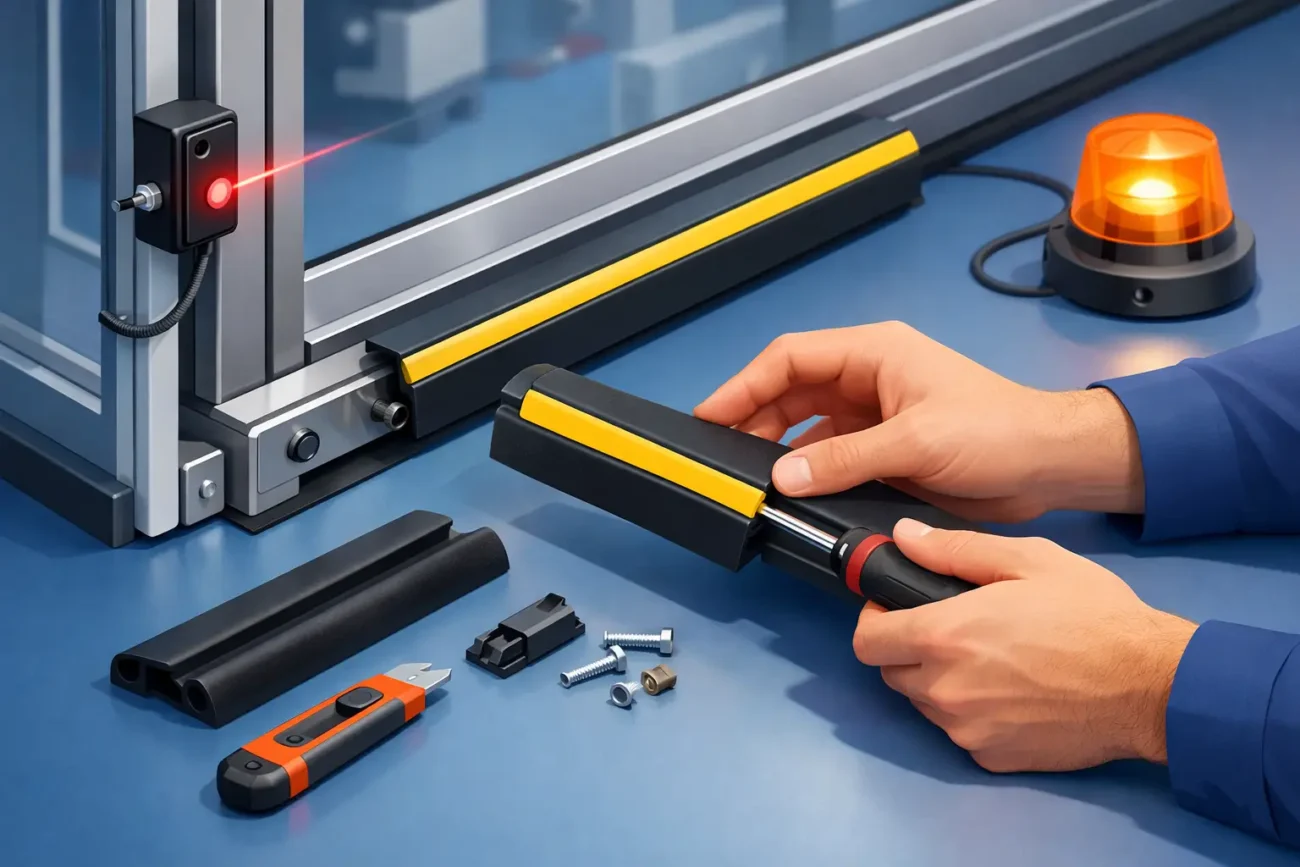
Photocells, safety edges, and warning lights may also be appropriate depending on the installation. On domestic setups, not every extra device is mandatory in every scenario, but safer operation is rarely a bad investment. For shared access, higher-risk locations, or sites with children and vehicles moving regularly, safety should never be treated as a bolt-on afterthought.
Smart features – useful or just extra cost?
App control, Wi-Fi connectivity, voice assistant compatibility, and activity alerts can all be useful, but only if they solve a real need. For some households, being able to check whether the door is shut while away from home is genuinely valuable. For landlords or multi-user properties, controlled access and user management can also be helpful.
That said, smart features add complexity. More electronics means more settings, more compatibility questions, and sometimes more fault-finding. If your priority is a straightforward, dependable motor for daily use, a well-made standard operator with reliable remotes may be the better choice.
The best garage door motors are often the ones that get the basics right first. Quiet travel, consistent limits, safe reversal, and parts availability matter more than a mobile phone notification.
Parts support matters more than most buyers realise
This is one area where trade professionals tend to think differently from first-time buyers. Engineers know that remotes get lost, gears wear, capacitors fail, and control boards do not last forever. Choosing a motor from a brand with accessible spares can make the difference between a quick repair and a full replacement.
This is especially relevant when dealing with older systems or mixed sites where several door types are in use. If you can identify the model easily and source the right part without guesswork, downtime is reduced. That is often more valuable than saving a small amount on the initial purchase.
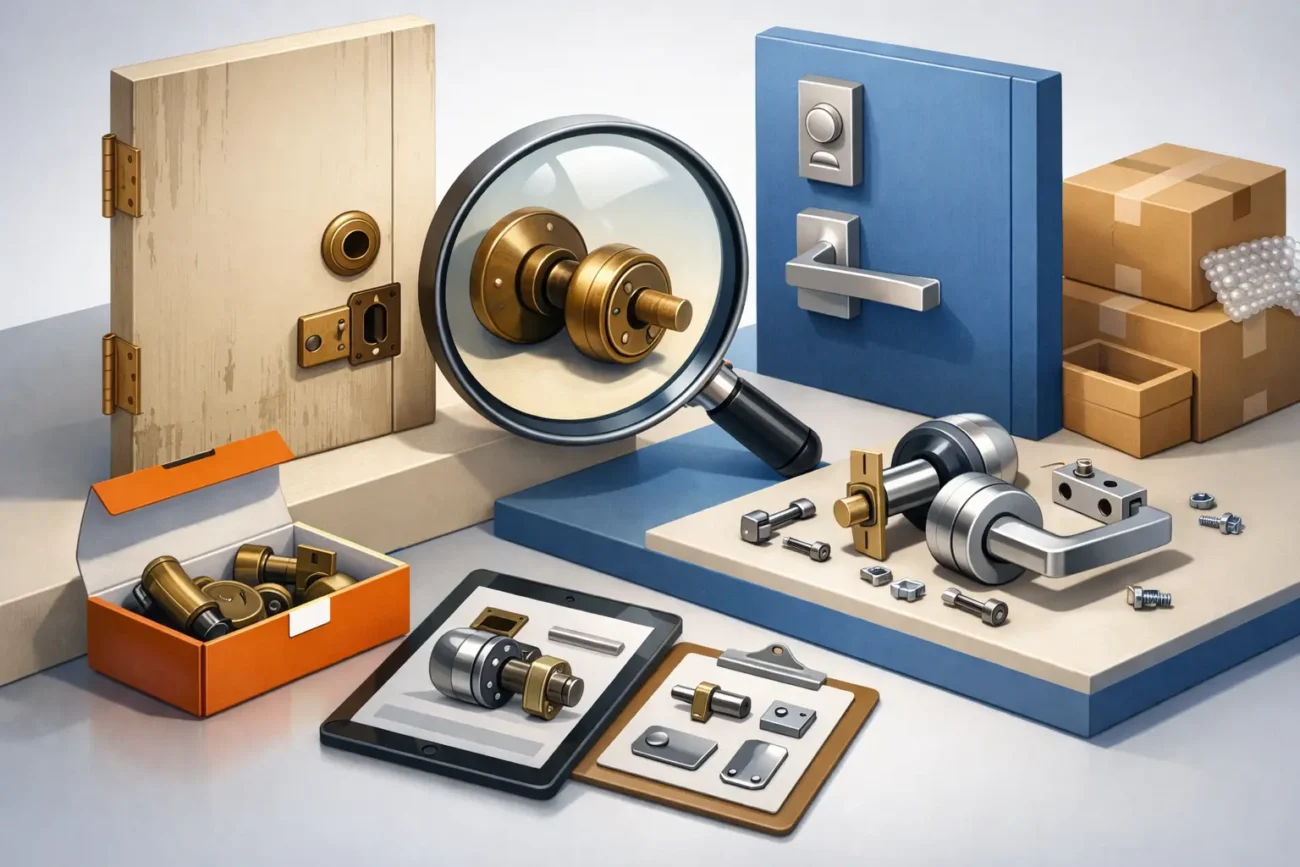
If you are unsure what you have, accurate identification is half the job. A model plate, a clear photo, and a description of the fault can save a lot of back-and-forth. That practical approach is why part-finding support matters just as much as the product itself.
When a replacement motor is not the only answer
Not every failing garage door system needs a new motor. Sometimes the issue is a receiver, handset, capacitor, travel module, or safety input fault. In other cases, the motor is fine but the door hardware is creating excessive resistance.
That is worth checking before ordering a full replacement. If the door has become heavy, jerky, or uneven, look at the springs, cables, rollers, and tracks as well. Replacing the operator alone may only treat the symptom.
For older installations, compatibility also needs care. Rail lengths, arm types, mounting positions, and control accessories are not always interchangeable across brands. A replacement that looks close enough can still turn into extra site work if the geometry is wrong.
Choosing the right motor with fewer headaches
If you want the shortest route to the right answer, start with five details: door type, door size, approximate weight, usage frequency, and whether the garage is attached to the house. Add photos if you have them. That usually narrows the field quickly.
For buyers who know exactly what they need, that speeds up ordering. For those who do not, it avoids buying a motor based on guesswork or marketing claims. At Door Spares UK Ltd, that is exactly the kind of problem the Ask Dora approach is built to solve – helping people identify the right product or replacement part without wasting time.
A good garage door motor should feel uneventful in use. It should lift the door cleanly, stop where it should, reverse when it must, and keep doing its job without constant attention. That is usually the best sign you have chosen well.



Leave a comment