


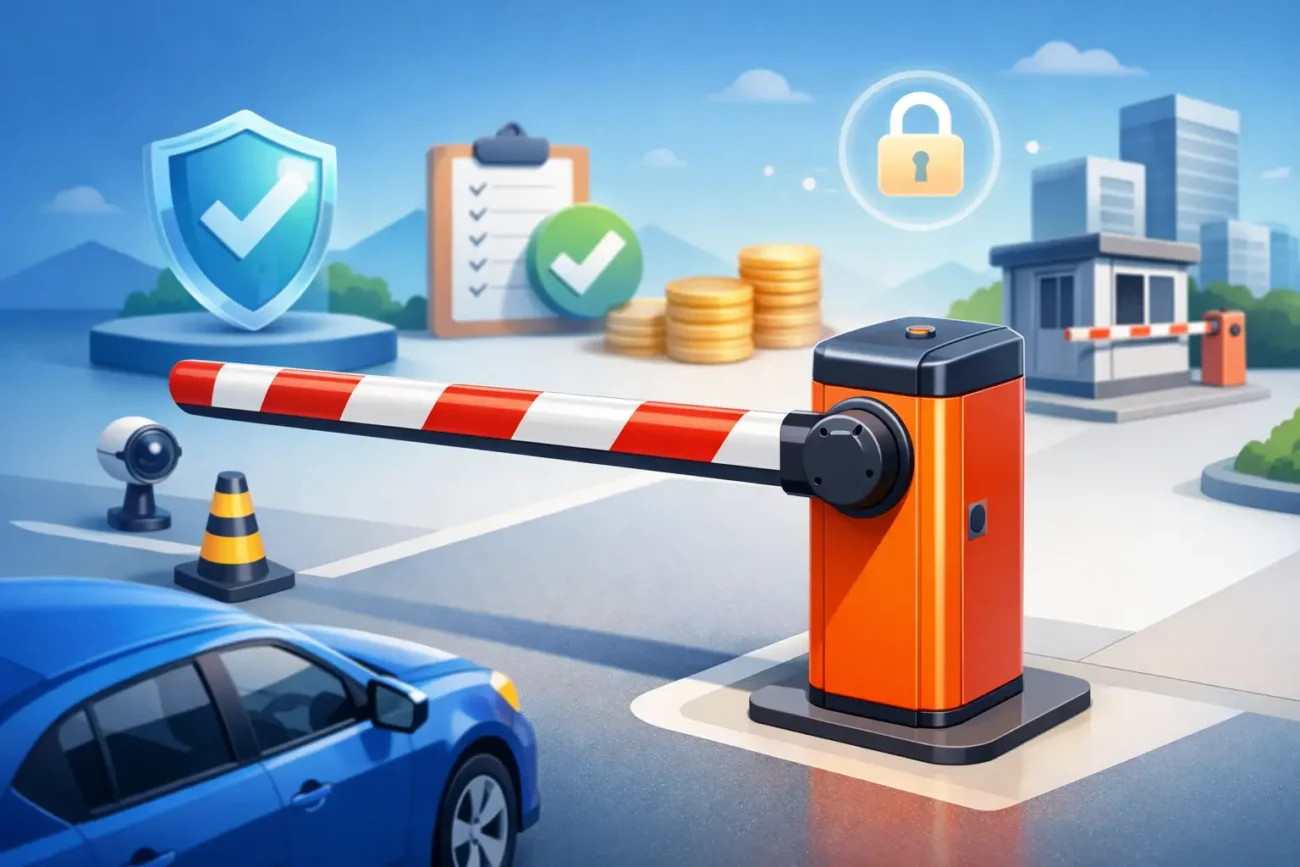
A barrier that opens too slowly at a busy entrance soon causes more than a queue. It creates driver frustration, site delays and avoidable wear on the system itself. If you need to buy automatic barrier boom arm equipment, getting the right model first time matters – not just for traffic control, but for safety, reliability and the cost of keeping the entrance running.
For some buyers, the requirement is straightforward: replace a damaged arm on an existing barrier. For others, it is a full new installation for a depot, commercial car park, industrial yard or private access road. Those are very different jobs, and the right buying decision depends on more than arm length alone.
What to check before you buy automatic barrier boom arm equipment
The first question is whether you are buying a complete barrier system or only the boom arm. It sounds obvious, but this is where plenty of orders go wrong. A boom arm must match the operator, balancing setup and fixing method. If the arm is for an existing unit, you need the barrier make and model, the opening width, and ideally a clear photo of the head and mounting point.
If you are buying a full system, the site layout comes first. Opening width is the starting point, but not the whole story. A 3 metre entrance with low traffic has very different demands from a 5 or 6 metre industrial access point operating all day. The wider the clear opening, the more attention you need to give to motor power, arm strength and duty rating.
Traffic volume is often underestimated. A barrier used a handful of times each day can cope with a lighter-duty setup. A barrier at a staffed commercial entrance, distribution yard or residential development may be cycling constantly at peak times. In those situations, a low-cost unit that looks fine on paper can quickly become a false economy.
Choosing the right boom arm length and type
The arm length needs to suit the clear width you actually need to block, not just the road width measured loosely on site. Buyers sometimes forget kerb lines, islands, posts or the safe swing path of the arm. If the barrier is too short, vehicles may attempt to pass around it. If it is too long, the operator may be overloaded or the arm may foul surrounding structures.
There is also the question of arm style. A standard straight boom arm is common for many commercial entrances, but it is not always the best fit. If there is restricted headroom, a folding arm may be necessary. If the site needs improved visibility, some setups benefit from reflective elements or integrated lighting. In public-facing areas or lower-light environments, visibility is not an extra – it is part of safe operation.
Where pedestrian movement is possible near the barrier, the setup needs more thought. A boom arm controls vehicles, but it does not replace a proper pedestrian access strategy. If people regularly walk through the entrance, you may need separate control measures and safety devices rather than relying on the barrier alone.
Speed, duty cycle and everyday site use
Opening speed matters, but faster is not always better. On a high-throughput entrance, a quick opening and closing cycle helps reduce tailbacks. On the other hand, speed must be balanced against safety, vehicle mix and the way drivers approach the barrier. A site used by cars only may suit one setup, while mixed traffic with vans and lorries may call for different timings and detection.
Duty cycle is where many practical buying decisions are made. If a barrier is expected to operate repeatedly throughout the day, choose equipment designed for intensive use. This is especially important for logistics sites, managed parking areas and shared commercial premises. Heat build-up, wear on mechanical parts and strain on motors all increase when a system is pushed beyond its intended workload.
It is also worth thinking about what happens during power loss or system fault. Some barriers offer battery backup, manual release or integration with wider access control systems. Those details matter more on sites where access cannot simply stop because of a mains issue.
Safety features are not optional
When people look to buy automatic barrier boom arm products, they sometimes focus heavily on arm length and price while treating safety devices as add-ons. That is the wrong way round. A vehicle barrier is a moving automated system. It needs the correct protection, control logic and site-specific risk assessment.
Photocells, safety loops, edge protection and warning accessories all have their place depending on the application. The right combination depends on traffic direction, approach speed, line of sight and whether the barrier is attended or unmanned. A basic private entrance may need far less than a busy commercial site, but every installation still needs to be assessed properly.
If the barrier is being installed at a workplace, legal responsibilities are part of the buying process too. Safety compliance is not only about the product. It includes how the barrier is installed, configured, tested and maintained afterwards. That is why many trade buyers and facilities teams prefer to source from specialists who understand the working setup, not just the catalogue description.
Access control and system compatibility
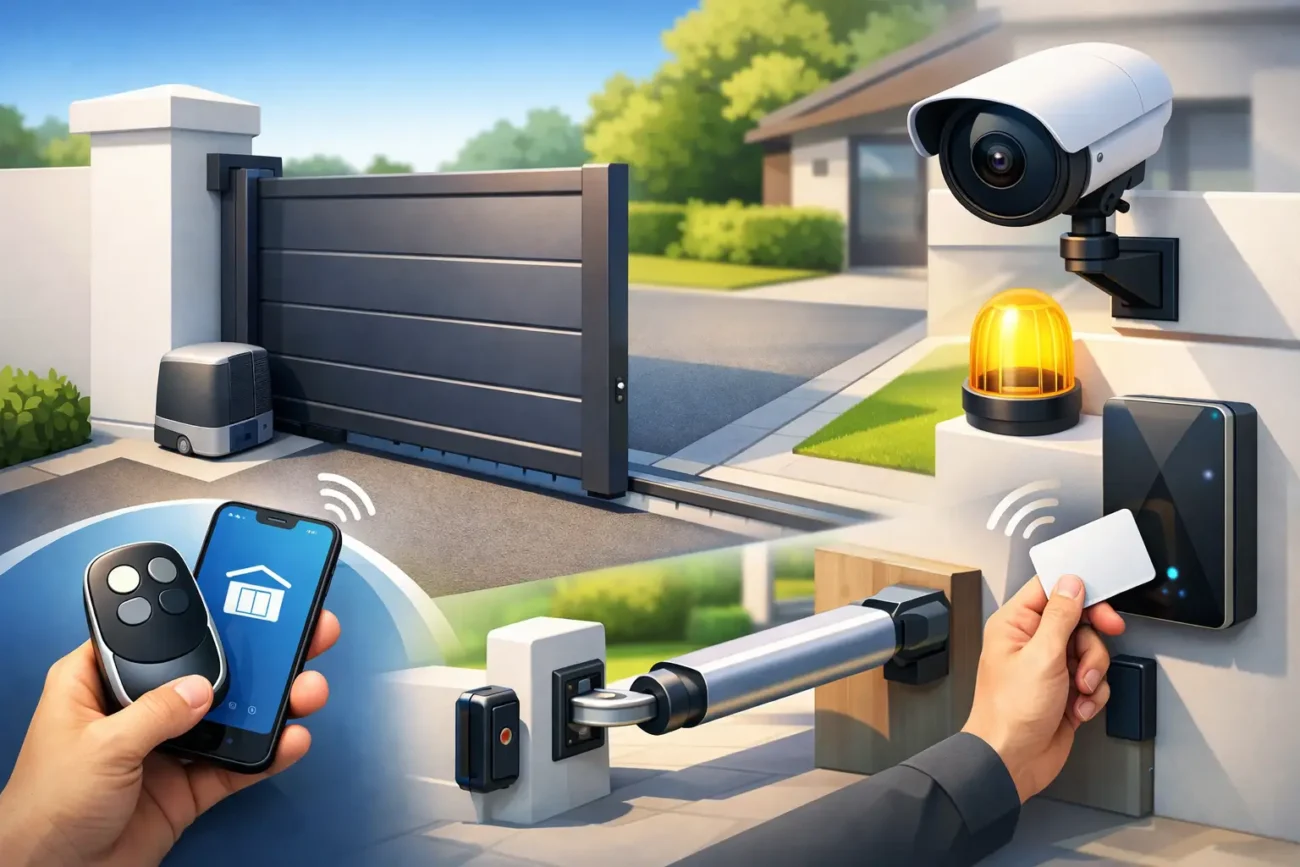
A barrier rarely works on its own. In many cases it forms one part of a wider access control setup. That might include keypads, fobs, intercoms, ANPR, tokens, induction loops or timed access permissions. Before ordering, it helps to decide how the barrier will be triggered and who needs control.
For a simple yard entrance, a radio transmitter setup may be enough. For a managed commercial site, you may need controlled entry and free exit, logging, or integration with existing gate automation and security systems. Compatibility becomes especially important when replacing only one part of an older installation.
This is also where technical support can save time. If a buyer has only a part number, an old site photo or a vague description of the barrier head, identifying the right match can be awkward. In practice, accurate sourcing is often the difference between a one-visit fix and a return trip with the correct part later.
New installation or replacement part?
If your existing barrier operator is sound and the boom arm alone is damaged, replacing only the arm can be sensible. It keeps costs down and gets the entrance back into service quickly. But if the barrier has repeated faults, visible wear, obsolete controls or poor parts availability, replacing the full unit may be the better decision.
That is especially true where downtime carries a real operational cost. A busy entrance that fails regularly can mean security issues, staffing headaches and delayed vehicle movement. In that context, the cheapest repair is not always the lowest-cost option over the next year.
Older systems can also raise compatibility issues with modern safety expectations or replacement electronics. If you are already working around ageing controls, damaged housings and hard-to-find spares, a clean upgrade often makes more sense than continuing to patch it.
Why buying from a specialist matters
Barrier automation looks simple from a distance. On site, it usually is not. Small differences in arm fixing, spring balancing, cabinet design, duty rating and control boards can turn a quick order into a costly mismatch. That is why specialist supply matters, especially for trade installers, maintenance teams and site managers working to a deadline.
A supplier that understands automated access equipment can help narrow the choice quickly. That might mean identifying a replacement from a photo, checking compatibility with an existing operator, or advising when a full kit is the safer route. For hard-to-find parts and awkward legacy systems, that support is often what keeps a job moving.
Door Spares UK Ltd works with buyers who already know exactly what they need, and with those who only have a picture and a problem. Both are common in this sector. The key is getting enough site detail up front so the recommendation matches the real application.
A practical way to buy the right barrier first time
Before you place an order, gather the basics: barrier make and model if known, clear opening width, photos of the existing unit or site entrance, expected daily usage, power supply details and how the barrier will be controlled. If there has been previous damage, note that too. Frequent impact may point to a visibility or layout issue rather than a product fault.
It also helps to be honest about the environment. Wind exposure, public access, heavy goods traffic and long operating hours all affect what will last. A barrier that performs well at a small private entrance may not hold up at a busy industrial site.
The best buying decisions are usually the least dramatic ones. The right automatic barrier boom arm or barrier system should do its job every day without becoming the next maintenance problem. If you are unsure, ask before you order – it is far easier to check a spec than to sort out the wrong equipment once it arrives on site.

Leave a comment