


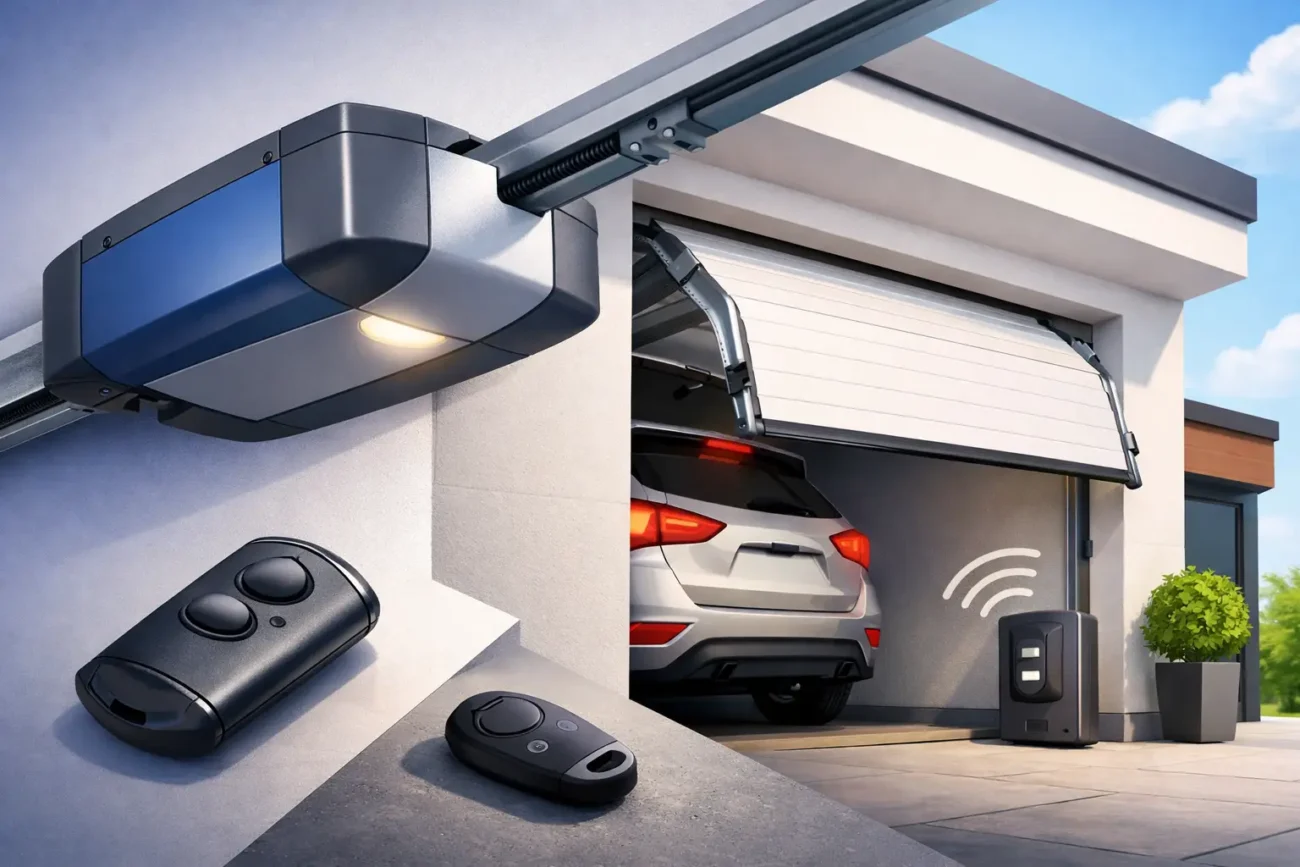
If you are looking for a Hörmann operator review, you probably do not need marketing claims. You need to know whether the unit will hold up on site, whether parts are available when something fails, and whether it makes sense for the door in front of you. That is the practical question, especially when downtime means a warehouse cannot load, a shutter cannot secure, or a garage door becomes a daily nuisance.
Hörmann has a strong reputation in the door sector, and in many cases that reputation is earned. Their operators are generally well built, sensibly engineered, and supported by a broad ecosystem of controls, safety accessories and replacement parts. But that does not mean every Hörmann operator is automatically the right choice. The real answer depends on door type, duty cycle, control requirements and how easy it will be to service over the life of the installation.
Hörmann operator review – where the brand stands
Hörmann operators are usually chosen for one of two reasons. The first is confidence in the brand. The second is compatibility with an existing Hörmann door or control setup. For installers and maintenance teams, that matters. Matching operator, controller and safety components from the same manufacturer can reduce commissioning headaches and make fault-finding more straightforward later on.
In day-to-day use, Hörmann operators tend to feel solid rather than flashy. They are not usually the cheapest option on the board, but they are often selected because they strike a sensible balance between performance and expected lifespan. For busy industrial sites, that balance matters more than headline features.
Their range also covers very different applications. A domestic garage door operator and an industrial door operator may share the same brand badge, but the demands are entirely different. That is why any proper Hörmann operator review has to look at use case first, not just manufacturer reputation.
Build quality and reliability in real use
On build quality, Hörmann generally scores well. Casings, drive components and associated controls usually give the impression of being designed for repeat use rather than occasional operation. In industrial settings, that confidence is important because operators are often exposed to dust, vibration, temperature shifts and general wear from constant traffic.
Reliability is also one of the stronger points, provided the operator is correctly specified. A properly matched Hörmann unit on a well-balanced door can run for years with routine servicing. That said, a good operator cannot compensate for poor installation, worn springs, damaged tracks or an unbalanced leaf. When operators fail early, the root cause is often somewhere else in the system.
This is where trade professionals tend to take a more measured view than end users. A site manager may say the operator is unreliable because the door keeps stopping. An engineer may find the actual fault is resistance in the door, failed safety edges, damaged cabling or a control issue. Hörmann equipment is generally dependable, but it still lives inside a wider mechanical and electrical system.
Control options and everyday usability
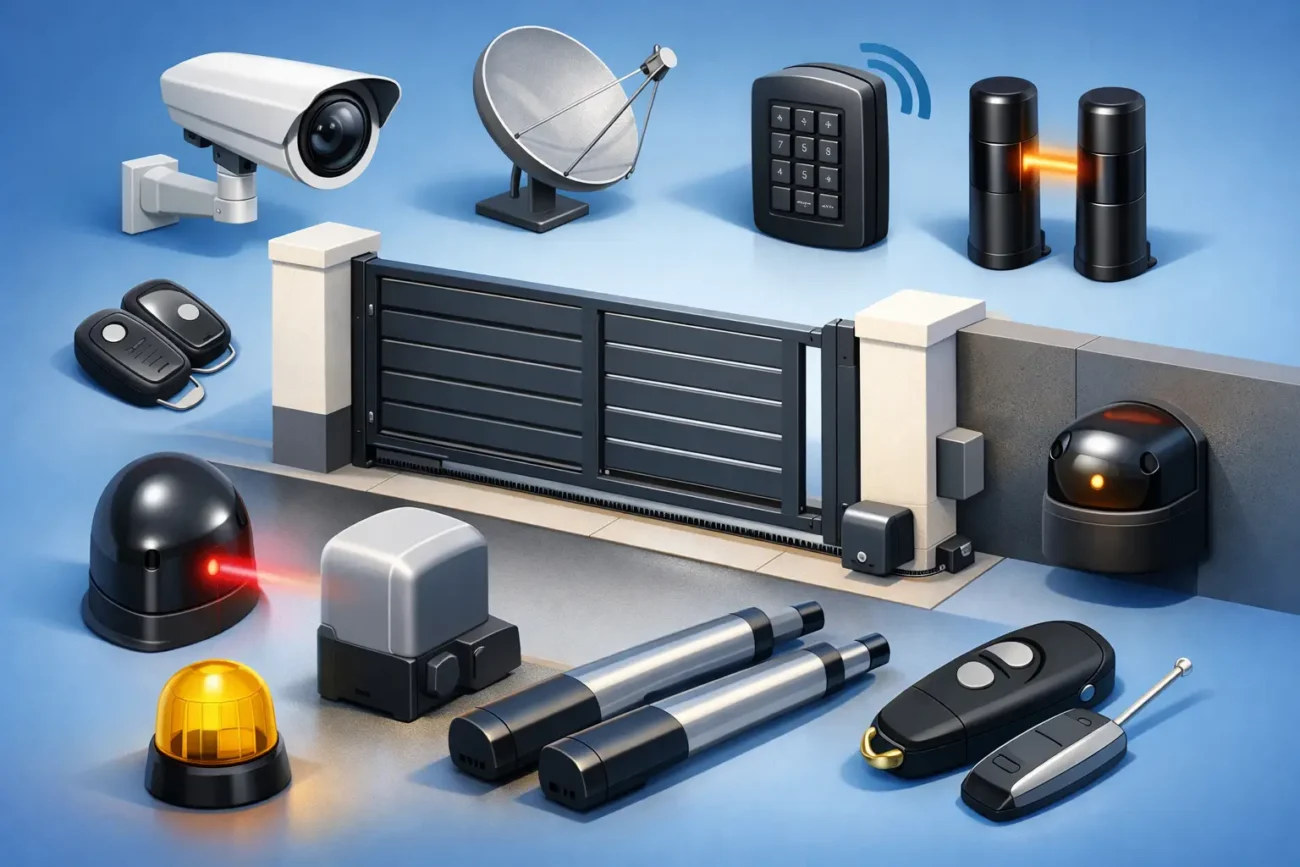
One area where Hörmann operators usually perform well is control logic. Depending on the model, users can expect sensible integration with push buttons, key switches, remotes, photocells, safety edges and other access controls. For commercial premises, that flexibility is useful because the operator often needs to fit into an existing access arrangement rather than dictate a new one.
For domestic garage doors, user experience is typically straightforward. Opening speeds, remote operation and obstruction response are in line with what most buyers expect from a reputable brand. For industrial sites, the value is less about convenience and more about predictable operation. Staff need the door to respond consistently, close safely and reset without drama after a fault condition.
That said, ease of use can vary between generations of equipment. Older Hörmann systems may remain mechanically sound but feel dated in terms of controls or diagnostics. Newer units often provide clearer fault information, which can save time during service visits. If you are maintaining an older installation, the operator may still be worth keeping, but control board availability becomes more important.
Servicing and spare parts – the point many reviews miss
A lot of operator reviews stop at first impressions. For engineers, facilities teams and anyone managing multiple doors, that is only half the story. The better question is what happens three years down the line when a control board fails, a limit issue appears, or a sensor fault starts causing intermittent stoppages.
This is where Hörmann remains a sensible brand to work with. Spare parts support is generally better than what you get from obscure or budget imports, and that makes a real difference. A quality operator is only as useful as the support behind it. If parts cannot be identified or sourced quickly, a premium product becomes an expensive problem.
For UK buyers, the practical advantage of a recognised manufacturer is that there is usually a clearer route to identifying the correct replacement component. That does not make it foolproof. Part numbers change, legacy models create confusion, and some faults are misdiagnosed. But overall, Hörmann equipment is easier to support than many lesser-known alternatives.
This is also where specialist suppliers matter. If you are trying to match an encoder, control panel, handset, motor component or safety device, accurate identification saves time and repeat visits. Door Spares UK Ltd sees this regularly with engineers who know the fault but need the exact part quickly, and with end users who only have a photo and a serial plate.
Hörmann operator review for industrial doors
For industrial doors, Hörmann operators are a strong option when reliability, parts support and compatibility are the main priorities. They are commonly used on sectional doors and other commercial applications where steady, repeatable performance matters more than gimmicks.
Their strengths in this environment are consistency and serviceability. On a properly maintained door, the operator is rarely the weak link. Where they can become less attractive is on cost-sensitive projects where the client is focused purely on purchase price. There are cheaper alternatives on the market. The trade-off is often reduced long-term support, less predictable spare parts access, or lower confidence in duty performance.
Another factor is application intensity. A lightly used warehouse bay and a high-cycle logistics opening place very different demands on an operator. Hörmann has solutions across that spread, but installers still need to match the product to the traffic pattern. Over-specifying wastes budget. Under-specifying creates avoidable breakdowns.
Garage door performance – good, but model matters
In residential garage settings, Hörmann operators are usually well regarded for quiet running, dependable remote control and solid safety features. For many homeowners, that is enough. They want the door to open every morning, close securely at night, and not become a maintenance headache.
The main caution here is that not every garage door issue points to a poor operator. If a garage door jerks, reverses unexpectedly or struggles to close, the operator may be blamed when the real problem is force setting, travel limits, worn rollers or misalignment. Hörmann systems tend to have decent built-in safety responses, which is good for users but can sometimes make an underlying door problem look like an operator fault.
For replacement work, compatibility is the big consideration. Swapping like for like is usually simpler. Retrofitting a new Hörmann operator onto an older or mixed-brand door setup can work well, but only if the mechanics and controls are assessed properly first.
Where Hörmann is not automatically the best choice
A fair Hörmann operator review should admit where the brand may not be the ideal answer. If you need the lowest possible upfront cost, Hörmann is unlikely to be the bargain option. If you are dealing with a non-standard legacy system, you may find that adapting or replacing associated controls adds cost beyond the operator itself.
There are also cases where repair is more sensible than replacement. If the fault sits in a handset receiver, control board accessory, limit setting or safety device, changing the entire operator can be overkill. On the other hand, if the unit is obsolete, parts are becoming scarce, and the door is operationally critical, replacement can be the more economical route over time.
This is why a brand-level review can only go so far. The right choice depends on what has actually failed, what the door is doing, and how urgently the site needs a dependable fix.
Final verdict on Hörmann operators
Taken on merit, Hörmann operators are a strong choice for both industrial and garage door applications where reliability, sensible engineering and ongoing parts support matter. They are not the cheapest route, and they are not magic. But in the right installation, they are usually a safe bet.
If you are choosing new equipment, think beyond the brochure and look at duty cycle, compatibility and future servicing. If you are troubleshooting an existing unit, get the fault identified properly before replacing major components. A good operator is valuable, but the real win is keeping the whole door system working safely, consistently and without wasted time.


Leave a comment