


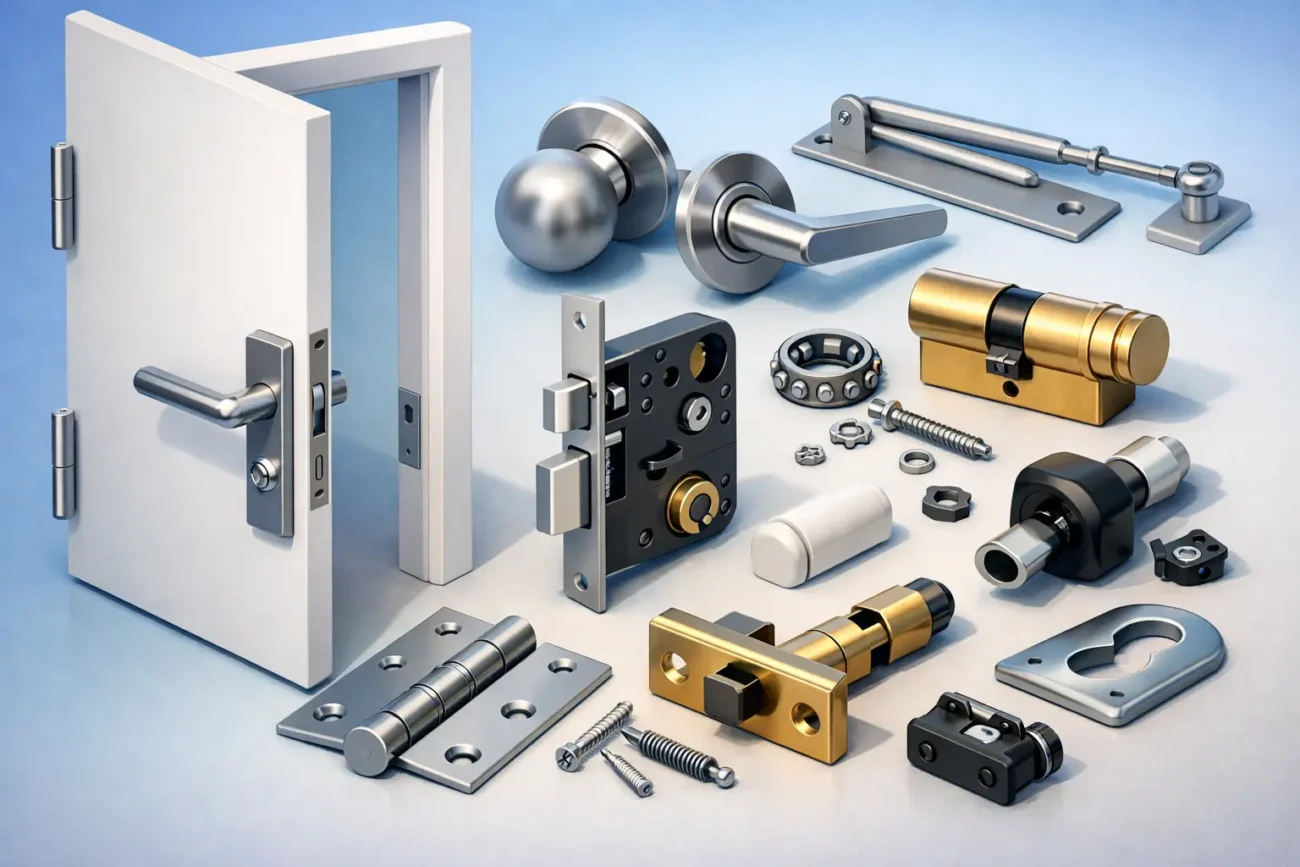
A door is down, traffic is backing up, and the part you need is apparently “the little black box near the motor”. That is usually where delays start. If you need to know how to identify door spares quickly and correctly, the job is less about guesswork and more about collecting the right details in the right order.
The good news is that most door parts can be identified without stripping the whole system apart. A clear photo, the right measurements and any information from the existing unit will usually narrow things down fast. The bad news is that many spares look similar across brands, and ordering by appearance alone is one of the most common reasons people end up with the wrong component.
How to identify door spares without guesswork
Start with the complete door system, not the failed part on its own. In industrial and automatic doors, one component is often matched to a specific operator, control board or safety setup. A motor that looks right may have the wrong shaft length. A photocell may fit the bracket but not the voltage. A control board may share a casing with three different software versions.
That is why identification should begin with the door make, model and application. Is it a sectional overhead door, a roller shutter, a rapid roll door, an automatic pedestrian door, a barrier, or a gate operator? Is it installed on a warehouse, retail entrance, loading bay or residential garage? These details matter because parts are often grouped by system type before they are matched by brand.
Once you know the type of system, check for manufacturer labels. These may be on the motor housing, controller, side guide, operator arm, safety edge, top rail or inside the control panel. You are looking for more than just the brand name. Model numbers, serial numbers, voltage, frequency, production codes and revision references all help separate one spare from another.
If the label is faded or missing, look at the installation as a whole. The shape of the operator, the style of the control enclosure, the terminal layout and the drive arrangement can all point towards a product family. This is where photos become especially useful.
What information actually helps identify the right part
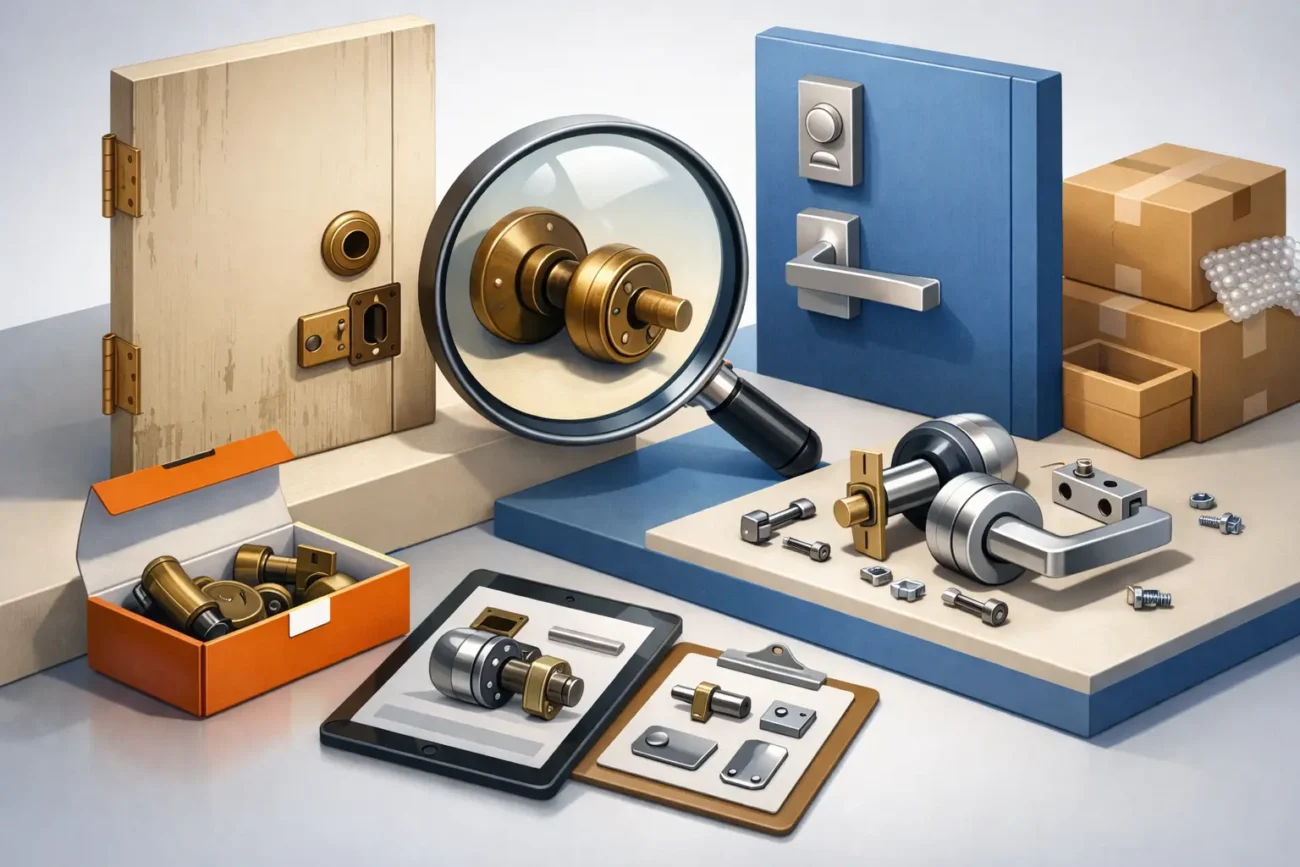
The most useful information is usually practical rather than technical. A sharp photo of the part in position, a second photo of any label, and a third showing the wider door setup will often tell more than a long description. If you are removing the part, photograph the wiring before disconnecting anything. Terminal positions, plug types and cable colours can all be relevant when the replacement arrives.
Dimensions are the next thing to capture. Measure overall length, width, height, fixing centres, shaft diameter and connector size where relevant. If you are dealing with rollers, hinges, tracks, belts, chains or seals, profile shape matters just as much as length. A few millimetres can be the difference between a proper fit and a wasted callout.
Fault behaviour is worth noting too. There is a difference between a part that is physically damaged and one that is being blamed for a fault elsewhere in the system. If the door opens but will not close, the issue may be a safety device rather than the motor. If the board powers up but the operator does not run, the fault may sit with the encoder, limits or capacitor. Identifying the spare starts with identifying the failure properly.
Common door spares people misidentify
Control boards are high on the list. Many boards from the same manufacturer use similar housings and layouts, but differ in firmware, dip switch configuration or relay setup. Ordering “the same board as the one next to it” is not enough unless the part reference matches.
Motors are another common problem area. Voltage, power rating, duty cycle, brake type, mounting pattern and shaft size all need to line up. Two motors can look almost identical on the bench and still be completely different in service.
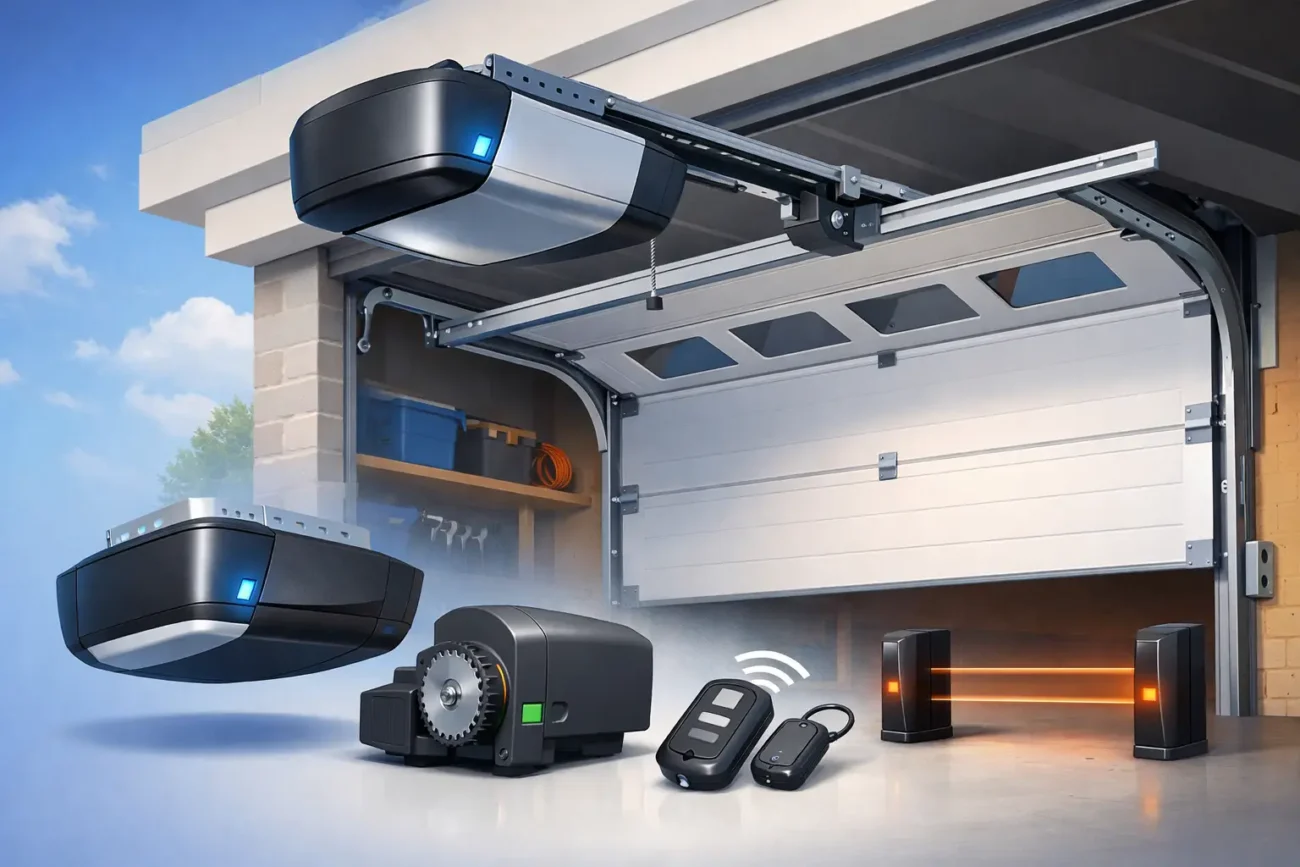
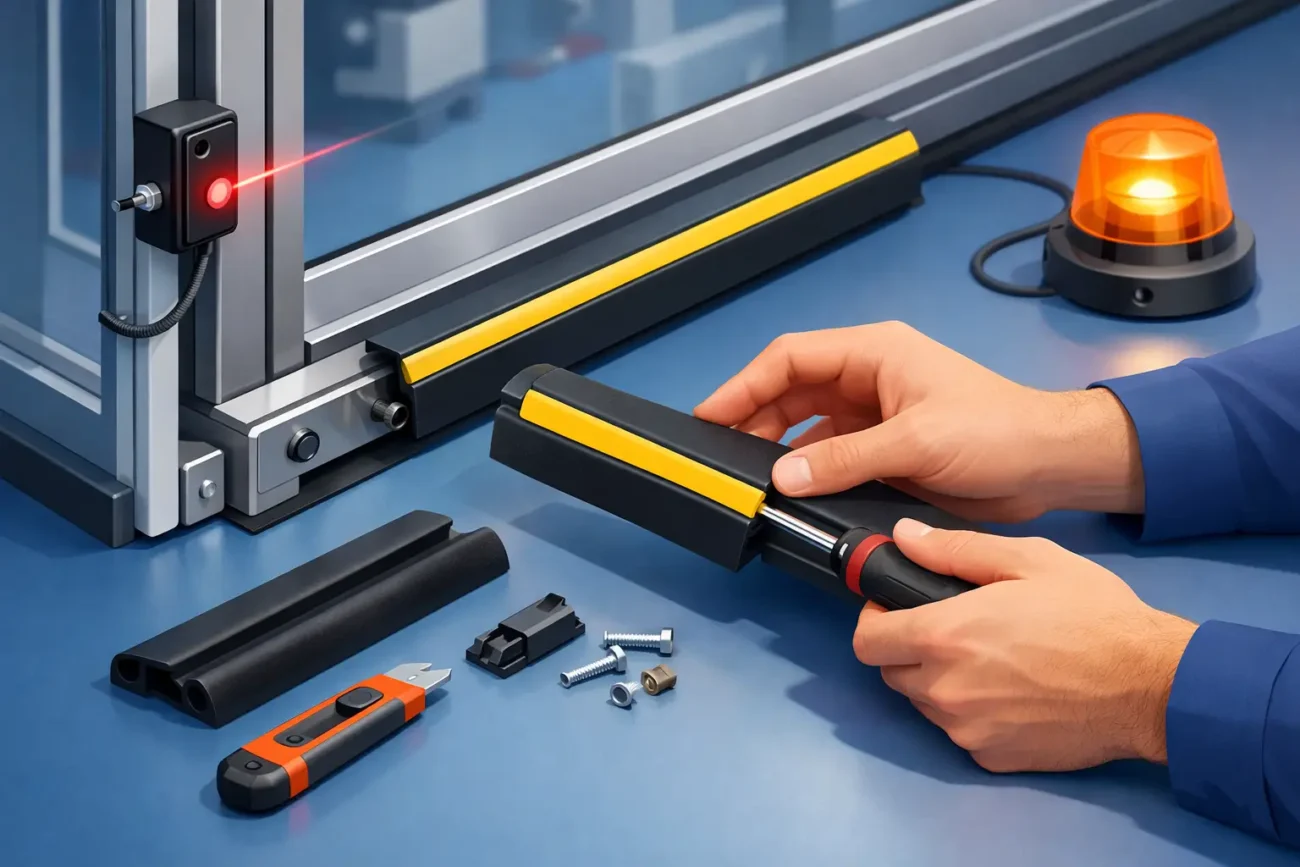
Safety devices also catch people out. Photocells, light curtains, safety edges and radar sensors are not universal. Some are monitored, some are not. Some require specific controllers or resistive values. If the spare is part of a safety circuit, accuracy is not optional.
Remote controls and receivers seem simple, but frequency, coding method and receiver compatibility all matter. The same brand may have multiple transmitter ranges that are not interchangeable.
Then there are consumable and mechanical items such as rollers, cables, springs, seals and hinges. These are often identified by dimension and profile rather than branding. Here, a sample photo against a tape measure is usually more useful than a rough verbal estimate.
How to identify door spares when there is no part number
This is common on older installations and on doors that have seen several repairs over the years. Parts may have been changed already, labels may be unreadable, and the current component may not even be the original specification.
In that situation, work backwards from the system. Identify the door brand if you can, then the operator, then the control method. Check whether the spare interfaces with other branded components. For example, a sensor may be generic in appearance but matched to a particular activation unit or safety controller.
Next, focus on physical clues. Mounting positions, terminal count, connector style, casing shape and adjustment points can all help. If the part has any stamped markings, moulded codes or approval labels, capture them. Even a partial number can be enough to narrow the search.
Age matters as well. Some older parts are obsolete and need a suitable replacement rather than a direct like-for-like unit. That introduces another layer of judgement. The correct answer is not always the same part number. Sometimes it is the modern equivalent that will work safely with the existing system.
Why accurate identification saves more than just time
Ordering the wrong spare does more than slow the repair down. It can leave a site unsecured, interrupt loading schedules, hold up pedestrian access or create a safety risk. For facilities teams and engineers, that often means a second visit, more labour and frustrated users on site.
There is also the issue of hidden damage. If a motor has failed because the door is binding, replacing the motor alone will not solve much. If a control board has blown due to water ingress or a faulty peripheral, the new board may fail as well. Proper identification includes checking the cause, not just the symptom.
That is especially true with automation and safety components. On industrial doors, barriers and automatic entrances, compatible specification matters. You are not simply swapping a part. You are restoring a working system that needs to operate reliably and safely under real site conditions.
A practical way to speed the process up
If you want to know how to identify door spares efficiently, keep the process simple and repeatable. Gather the door type, brand and model if known. Take clear photos of the full door, the failed component and any labels. Record the fault symptoms. Add key measurements. Then check whether the spare is electrical, mechanical or safety-related, because each category has different matching points.
For trade professionals, this is worth building into your callout routine. A few extra minutes on site can save days of delay later. For end users and property owners, good photos and a brief description of what the door is or is not doing are usually enough to start narrowing it down.
If you are ever unsure, avoid forcing a match based on appearance. Similar does not mean compatible. That is one of the main reasons specialist support exists in this sector. Door Spares UK Ltd uses an Ask Dora part-finding approach precisely because hard-to-find and easily misidentified parts are a daily issue, especially on older or mixed-brand systems.
One last point worth keeping in mind: the fastest route to the right spare is rarely the person who guesses first. It is the person who sends the clearest information. When a door is out of action, accuracy is what gets it moving again.


Leave a comment